| English | العربية |
| My hands struck him first with a swift stab, and a flowing spray like the colour of cinnabar poured out. | سَبَقَتْ يَدايَ لَهُ بِعَاجِلِ طَعْنَةٍ وَرَشَاشِ نَافِذَةٍ كَلَوْنِ العَنْدَمِ |
| Have you asked the horses, O daughter of Malik, if you are ignorant of what you do not know? | هَلاَّ سَأَلْتِ الخَيْلَ يَا ابْنَةَ مَالِكٍ إِنْ كُنْتِ جَاهِلَةً بِمَا لَمْ تَعْلَمِي |
| For I remain always upon a galloping steed, whose back is wounded by the clash of hardened warriors. | إِذْ لا أَزَالُ عَلَى رِحَالةِ سَابِحٍ نَهْدٍ تَعَاوَرُهُ الكُمَاةُ مُكَلَّمِ |
| At times it is stripped for thrusting battle, and at times it takes shelter beneath a dense rain of arrows. | طَوْرَاً يُجَرَّدُ لِلطِّعَانِ وَتَارَةً يَأْوِي إِلَى حَصِدِ القِسِيِّ عَرَمْرِمِ |
| Those who witnessed the battle will tell you that I charge into war, yet I restrain myself at the moment of spoils. | يُخْبِرْكِ مَنْ شَهِدَ الوَقِيعَةَ أَنَّنِي أَغْشَى الوَغَى وَأَعِفُّ عِنْدَ المَغْنَمِ |
| I remembered you while spears were drinking from me, and Indian swords were dripping with my blood. | وَلَقَدْ ذَكَرْتُكِ وَالرِّمَاحُ نَوَاهِلٌ مِنِّي وَبِيضُ الْهِنْدِ تَقْطُرُ مِنْ دَمِي |
| I wished to kiss the swords themselves, for they shone like the lightning of your smiling lips. | فَوَدِدْتُ تَقْبِيلَ السُّيُوفِ لأَنَّهَا لَمَعَتْ كَبَارِقِ ثَغْرِكِ الْمُتَبَسِّمِ |
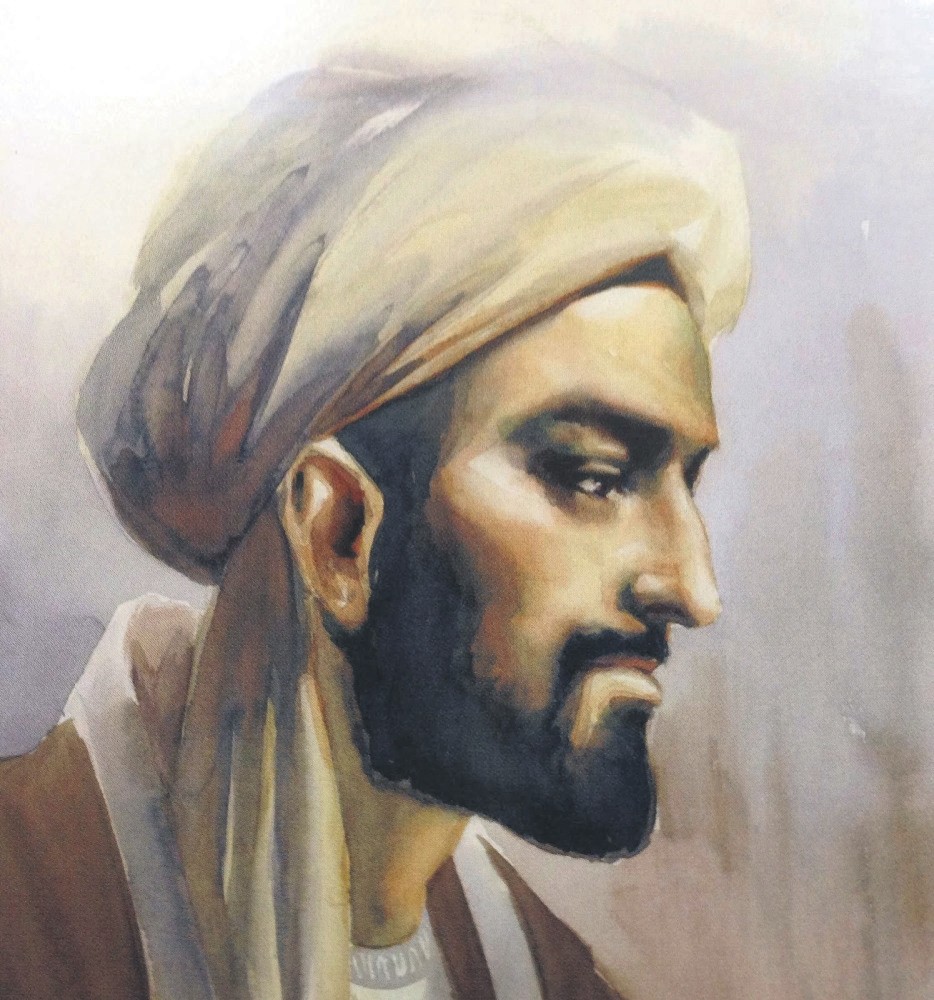
Antarah ibn Shaddad was born a slave to an Arab faris known as the Rider of Jirwah and an Abyssinian slave named Zabibah, the feminine form of the word ‘raisin’. He would go on to win his freedom in battle, carving out, in blood, his place in a society that denied him one. He excelled as a warrior and poet, exemplifying both the chivalry and brutality of the Pre-Islamic period. Antarah was fierce, and would dive into the enemy, even when outnumbered, and emerge victorious. His poetry travelled further than his spear and remains long after, studied, recited, and memorised. So too did his love for a young woman named Ablah, their doomed tale drawing comparisons to Romeo and Juliet. Later tradition stretches him even further, placing him before kings, having him outwit courts, seize impossible spoils, and return from journeys no ordinary man would survive.
THE JAHILIYAH
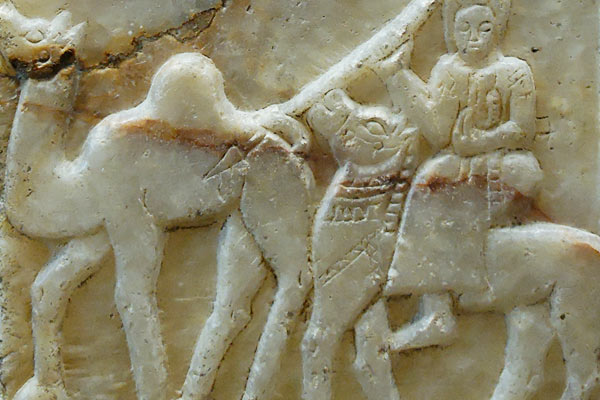
Antarah was born in a turbulent period of time before the advent of Islam known as the ‘Jahilliyah’ – time of ignorance. He was born to the Banu ‘Abs, a branch of the wider Ghatafān clan, in the region of Najd. Some say Shaddad was his grandfather, others that Shaddad was his uncle who raised him. It’s no coincidence that it’s unclear, the child of a slave and a free man was most likely to live and die without ever being acknowledged by a father, unless they achieved significant notability. In any case, Shaddad was a respected Arab knight and the epitome of the cavalryman on the peninsula in these times. Antarah was black. His mother was an Abyssinian woman, who some allege to be a captured princess. This puts Antarah in an intriguing situation from the very beginning: although he is born a slave, both his parents are of noble birth.
To understand Antarah, we should first examine the world that produced him. Pre-Islamic Arabia was not governed by centralised states or formal institutions. With few exceptions, authority rested in tribes that moved across the desert with their herds, living in tents and sustaining themselves through pastoral life, trade, and raiding. The tribe was the primary unit of identity, protection, and justice. Above it were broader clan affiliations, but there existed no courts, no codified law, and no external enforcement. Order was maintained through honour, retaliation, and collective strength. Cycles of violence and vengeance shaped both survival and reputation, and it is within this environment that ʿAntarah’s poetry takes form.
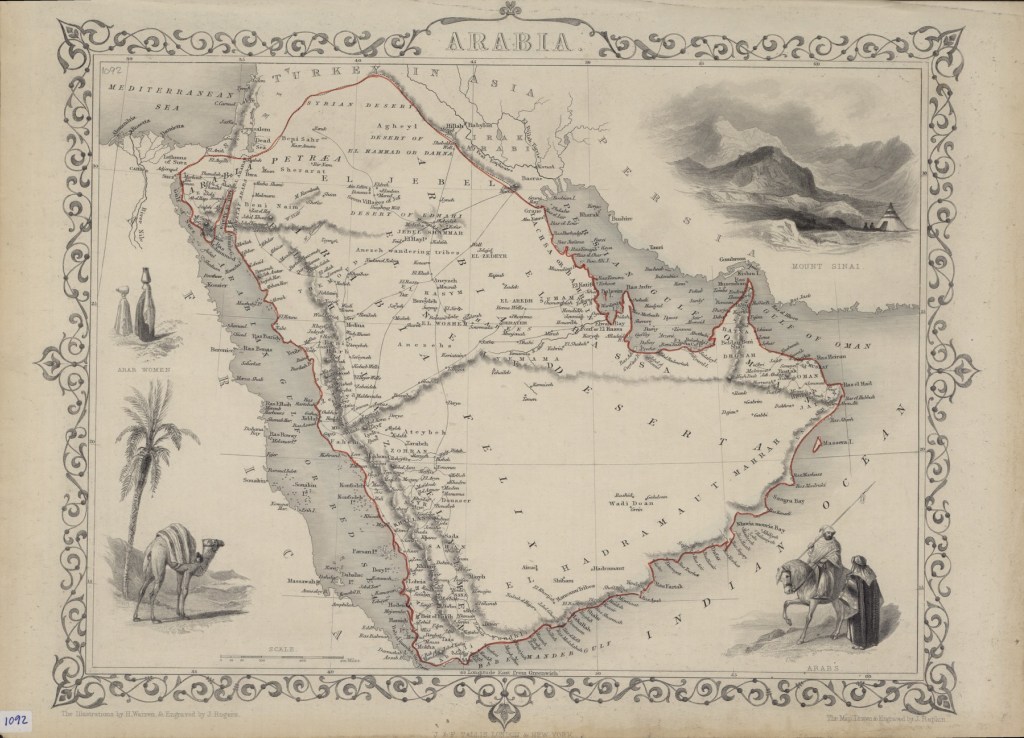
The Arabian peninsula is strategically located between Africa and Asia, with modern day Syria and Jordan to the north, Iraq and Iran to the east, Egypt and southern Europe to the north-west, and Ethiopia and Somalia to the south-west, across the red sea. Antarah’s poetry doesn’t happen isolated in some desert somewhere, he speaks of charging into battle with lances and curved blades of Indian make, brandishes sabers from Syria, and shoots arrows as thin as strips of leather from Himyar. The location of the Arabian peninsula brought trade and goods from Europe,Asia, and Africa but it also brought conflict. The Arabs of this era were sandwiched between the Romans and Persians, who had been in conflict for almost seven centuries, beginning with the Roman Republic and the Parthian Empire in 54 BC and ending with the Byzantine and Sassanid empires in 628.
Although the Banu ‘Abs were not themselves the direct clients of either empire during the Byzantine-Sassanian wars, they were nonetheless militarily and economically entangled with in the regional conflict. Some members of the tribe reportedly served as caravan guards for the Lakhmids, themselves a direct vassal of the Sassanians. Through connections like these, even tribes deep in the peninsula’s interior were indirectly linked to imperial rivalries. The clan conflict that fill Antarah’s verses were much more than mere local disputes but symptoms of a broader instability across the peninsula, an instability that mirrored the turbulence of the surrounding world.
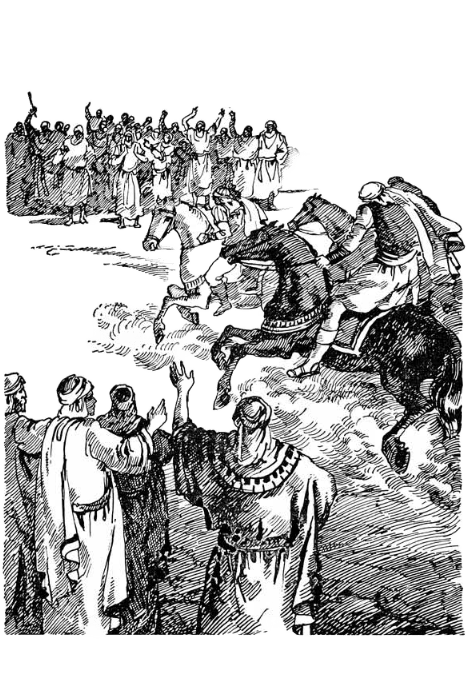
One such conflict and one that formed an integral part of Antarah’s story, was the War of Dāhis and al-Ghabrāʾ. Its origin may seem absurd, but competition between two tribes had been brewing and it provided the pretext required for open conflict. Qays Ibn Zuhayr, the young chief of the ‘Abs challenged Hudhayfa bin Badr, the chief of Dhubyān, to a horse race. The winner would receive one hundred camels from the loser. Qays’ horse, Dāhis, was winning until a premeditated ambush by Dhubyāni men drove it off course, allowing al-Ghabrāʾ to claim victory. Hudhayfa rejected any accusations of cheating. Voices were raised. Knives were drawn. Qays and his men plunged their blades into Hudhayfa’s brother. Shortly after, Qays’ brother suffered the same fate. A horse race turned into a forty year conflict. Alliances shifted as tribes such as the Tayy and Hawāzin joined the conflict, turning the balance against Banu ʿAbs and forcing them into periods of exile and displacement. It was within this atmosphere of sustained warfare that Antarah emerged as a young man, proving himself in battle and ultimately securing his freedom.
The crux of that story is widely agreed upon and is as follows. The Tayy tribe invaded the lands of the Banu Abs and during a raid Antarah’s father said to him:
“Antarah, fight with the warriors and defend your tribe”
Ever defiant, Antarah replied sarcastically “The slave doesn’t know how to fight or defend. He is only good for milking camels”.
“Fight and you are a free man!” his father said.
Antarah grabbed a spear without a moment of hesitation and charged at his foes, declaiming:
| I am the half-blood Antarah! | أَنَا الْهَجِينُ عَنْتَرَهْ |
| Every man guards his woman’s cunt | كُلُّ امْرِئٍ يَحْمِي حِرَهْ |
| Black or red (white) | أَسْوَدَهُ وَأَحَمَرَهْ |
| By the {bushy} hair | وَالشَّعَرَاتِ الْمُشْعَرَهْ |
| The thick fuzzy lips | الْوَارِدَاتِ مِشْفَرَهْ |
| This I swear! |
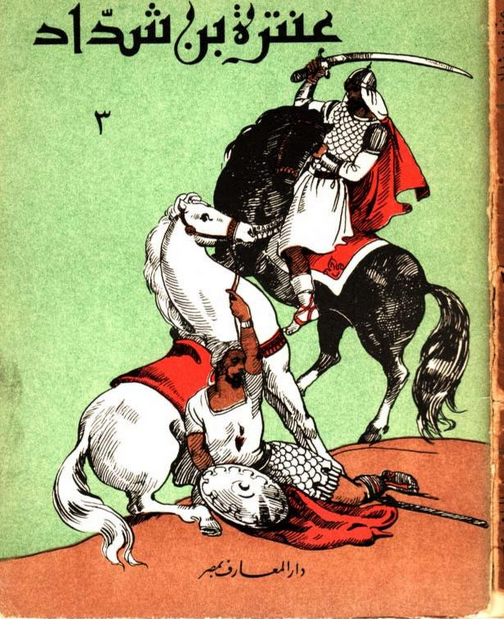
He single-handedly turned the tide against the invaders, cutting through their ranks and forcing them into retreat. As they fled, he chased them down, recovering what they had plundered from his tribe. A pattern emerges that will define the rest of his life: Antarah compels recognition through action. Virtue is not granted to him by birth, so he forces it into existence through what he does, until even those who would deny him have no choice but to acknowledge him. Upon his return, his father Shaddād publicly claims him as his son and grants him his name.
A name carrying many meanings. It can evoke the buzzing blowfly, suggestive of colour and sound. It is linked to notions of striking or thrusting with a spear. It also signifies valour. Later descriptions of his physical features—particularly a pronounced lip—fold into these associations, binding the name to both presence and perception. The result is a name that encapsulates the elements for which he is known, violence, valour, and an unmistakable visibility on the battlefield.
MUALLAQAH
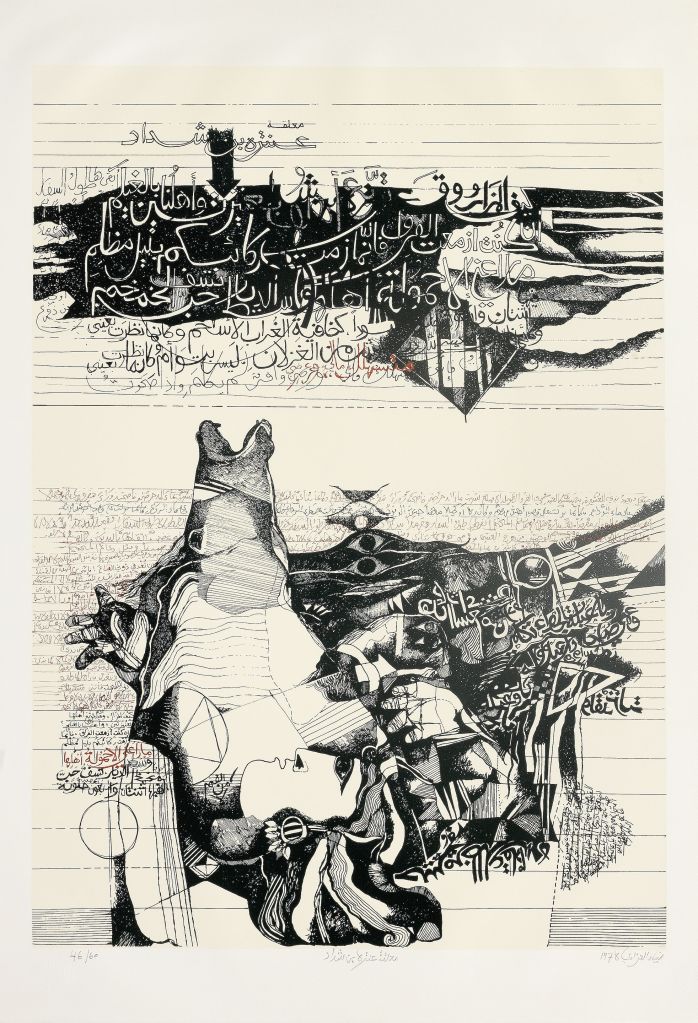
Antarah’s enduring reputation as a poet rests primarily on his Muʿallaqah, one of the celebrated “Suspended Odes” of pre-Islamic Arabia. These poems, traditionally said to have been written in gold and hung upon the Kaʿbah, occupy a central place in the Arabic literary canon, not only for their aesthetic refinement but for the cultural world they preserve. Whether or not the account of their suspension is historically accurate, the significance attributed to them is undeniable. They represent the pinnacle of a poetic tradition in which language functioned as both art and social instrument. Antarah’s Muʿallaqah, in particular, stands as the most complete expression of his poetic voice, bringing together themes of desolation, movement, combat, and longing within a single, expansive composition.
Before we enter the Muallaqa itself, and the love story within it, it’s worth understanding the nature of Pre-Islamic poetry, specifically the qasida. Contrary to the way many of us may engage with poetry from this time period, it was a public, performative, and fundamentally theatrical art. A poem required an audience. It lived through recitation, response, and challenge. A poet might boast of his tribe only to be interrupted, provoked, and forced into improvisation, with the crowd responding in kind. This is far from the static words we read on pages today.
The classical qasida is tripartite and broken down into a typical structure of.
Al-Nasiib
An amatory prelude, where the poet pauses at abandoned ruins, recalling a lost love or past happiness.
Ar-Ra7iil
The desert journey, typically accompanied by elaborate and metaphorical descriptions of the poet’s camel or horse.
Fakhr
Pride. The boast. His journey brings him to a destination; often metaphysical such as glory or a celebration of honour. The poet asserts his worth, his tribe, and his exploits.
Antarah bends this structure to its limits. His destination is not a patron, nor glory, it is Abla. His boast is not directed at tribe or audience, but at her. He is performing for his lover, justifying himself to her.
| Have the poets who preceded me left any theme unsung? | هَل غادَرَ الشُعَراءُ مِن مُتَرَدَّمِ |
| Or have you come to know the abode after illusion and uncertainty? | أَم هَل عَرَفتَ الدارَ بَعدَ تَوَهُّمِ |
| The ruins refused to reply | أَعْيَاكَ رَسْمُ الدَّارِ لم يَتَكَلَّمِ |
| until at least, they spoke like the deaf and the mute. | حتى تَكَلَّمَ كَالأَصَمِّ الأَعْجَمِ |
| I lingered there long, holding back my she-camel, | وَلَقَدْ حَبَسْتُ بِهَا طَوْيلاً نَاقَتِي |
| complaining to dark, motionless, crouching stones. | أَشْكُو إلى سُفْعٍِ رَوَاكِدَ جُثَّمِ |
| O abode of ʿAblah in al-Jiwā, speak and greet me, may the morning rise on thee with prosperity and health. | يا دارَ عَبلَةَ بِالجَواءِ تَكَلَّمي وَعَمي صَباحًا دارَ عَبلَةَ وَاسلَمي |
| A dwelling of a delicate woman, doe eyed timid gazelle, | دَارٌ لآنِسَةٍ غَضِيضٍ طَرْفُهَا |
| obedient in embrace, sweet in smile | طَوْعِ العِنَاقِ لَذِيذَةِ المُتَبَسَّمِ |
| I halted my camel there as though it were a funeral bierI needed to weep, needed the shame. | فَوَقَفتُ فيها ناقَتي وَكَأَنَّها فَدَنٌ لِأَقضِيَ حاجَةَ المُتَلَوِّمِ |
| ʿAblah dwells in al-Jiwā, while our people in Ḥazn, Ṣammān, and Mutathallam. | وَتَحُلُّ عَبلَةُ بِالجَواءِ وَأَهلُنا بِالحَزنِ فَالصَمّانِ فَالمُتَثَلَّمِ |
| Hail, dear ruins! with whose possessors I had old engagements; more dreary and more desolate are you become | حُيِّيتَ مِن طَلَلٍ تَقادَمَ عَهدُهُ أَقوى وَأَقفَرَ بَعدَ أُمِّ الهَيثَمِ |
The poem begins with the desolation that is typical of the qasida. Antarah, on camelback, comes across an area that he believes was once inhabited by Ablah. Despair and sadness overcome him, and his inability to move on, eventually confirms his beliefs.
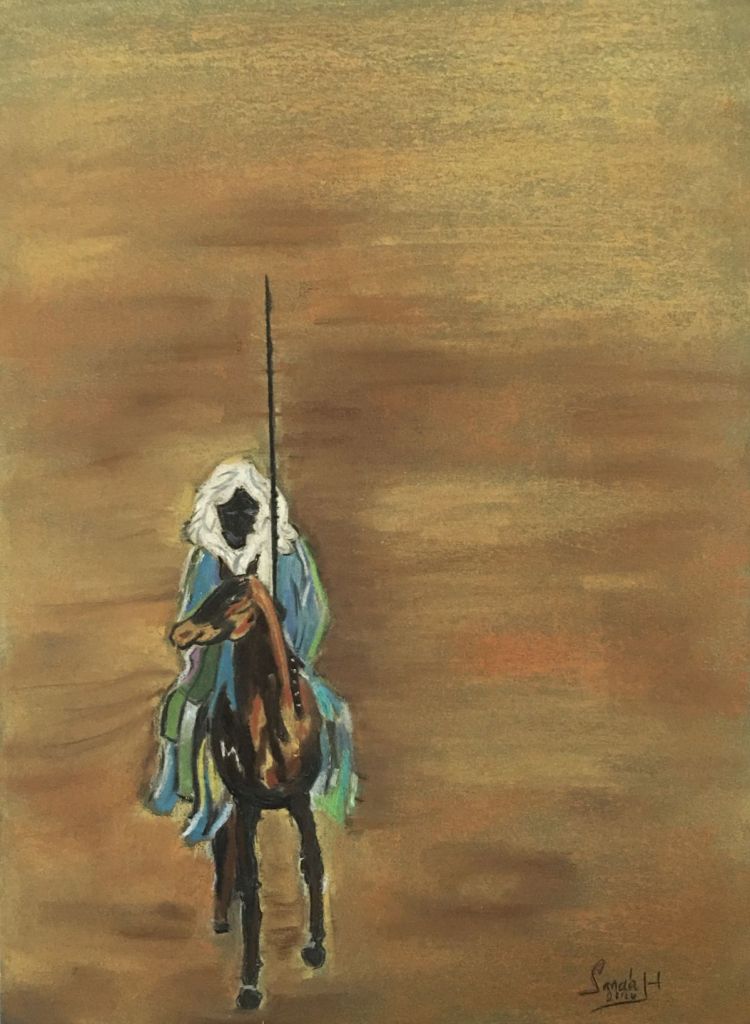
He lingers at the ruins, attempting to revive what has been lost— a past, a love, even poetry itself. His opening gesture hints that poetry, like these ruins, has been exhausted by those who came before him. Yet he persists, addressing the abandoned space as if it might answer him.
But unlike the conventional qasida, this is not a movement forward. Antarah circles to the past, his journey returns again to his love. ʿAblah remains both the beginning and the end, physically distant and temporally irretrievable.
His love, however, cannot be separated from violence. Even when he turns to her, his language is that of battle. I return to the section of the Muallaqa I opened the essay with.
| My two hands preceded him with a swift blow, the stream that gushed from his wound bore the colour of cinnabar | سَبَقَتْ يَدايَ لَهُ بِعَاجِلِ طَعْنَةٍ وَرَشَاشِ نَافِذَةٍ كَلَوْنِ العَنْدَمِ |
Antarah establishes his worth in unmistakable terms; speed, violence, and control. He turns to his lover in the next line.
| Have you asked the horses, O daughter of Malik, if you are ignorant of what you do not know? | هَلاَّ سَأَلْتِ الخَيْلَ يَا ابْنَةَ مَالِكٍ إِنْ كُنْتِ جَاهِلَةً بِمَا لَمْ تَعْلَمِي |
He speaks to Ablah directly, calling on witnesses – “ask the horses”. He invokes the battlefield itself as testimony to his character. This recurring appeal to witnesses runs throughout his poetry: at times he calls upon slain enemies, upon his sword, and even the vultures that circle after the fighting has ended.
| For I remain always upon a galloping steed, whose back is wounded by the clash of hardened warriors. | إِذْ لا أَزَالُ عَلَى رِحَالةِ سَابِحٍ نَهْدٍ تَعَاوَرُهُ الكُمَاةُ مُكَلَّمِ |
| At times it is stripped for thrusting battle, and at times it takes shelter beneath a dense rain of arrows. | طَوْرَاً يُجَرَّدُ لِلطِّعَانِ وَتَارَةً يَأْوِي إِلَى حَصِدِ القِسِيِّ عَرَمْرِمِ |
He is constantly in motion, mounted, enduring, his body and his steed marked by the clash of warriors, moving between attack and survival under volleys of arrows.
| Those who witnessed the battle will tell you that I charge into the fray, yet I restrain myself at the moment of spoils. | يُخْبِرْكِ مَنْ شَهِدَ الوَقِيعَةَ أَنَّنِي أَغْشَى الوَغَى وَأَعِفُّ عِنْدَ المَغْنَمِ |
Still, even in the midst of the chaos of the battle, he distinguishes himself by character. After embodying both violence, and the virtues that make it legitimate, he once again turns to Ablah.
| I remembered you while spears were drinking from me, and Indian swords were dripping with my blood. | وَلَقَدْ ذَكَرْتُكِ وَالرِّمَاحُ نَوَاهِلٌ مِنِّي وَبِيضُ الْهِنْدِ تَقْطُرُ مِنْ دَمِي |
| I wished to kiss the swords themselves, for they shone like the lightning of your smiling lips. | فَوَدِدْتُ تَقْبِيلَ السُّيُوفِ لأَنَّهَا لَمَعَتْ كَبَارِقِ ثَغْرِكِ الْمُتَبَسِّمِ |
His body is pushed to its limits, pierced, bleeding, suspended between life and death. His thoughts turn to Ablah. The image is almost absurd in its intensity, instruments of death become objects of tenderness, their flash recalling the brightness of her smile. Violence is truly the only language in which he can make himself visible to her, and the only medium in which he can make himself worthy of her.
Still, he doesn’t kiss Ablah. He kisses the sword. He still hasn’t reached her, only reached towards an image of her. Even at his most intimate, Antarah remains at a distance. It is here that poetry begins to give way to something else. Outside of verse, beyond metaphor and performance, the real life story of Antarah and Ablah takes on a different shape. Far from fleeting images in the heat of battle, but a story of prolonged struggle and the impossible conditions placed upon a man seeking to make himself worthy of the woman he loves.
ABLAH
| English | العربية |
| ‘Ablah’s wraith appeared in sleep to my weary self | زارَ الخيالُ خيالُ عَبلَةَ في الكَرى |
| A love-struck man, intoxicated, his bonds undone | لمتِّيم نشوانَ محلول العرى |
| I rose, complaining of the pain her absence had brought me | فنهضتُ أشكُو ما لقيتُ لبعدها |
| A breath of musk was her response, mingled with amber | فتنفَّسَتْ مِسكاً يخالطُ عَنْبَرا |
| I embraced her, longing to kiss her lips | فضَممتُها كيما أقبِّلَ ثغرَها |
| Blinded, my tears soaked the earth beneath me | والدَّمعُ منْ جَفنيَّ قد بلَّ الثرى |
| I lifted her veil, and her face shone forth | وكشفتُ بُرقُعها فأشرقَ وجهُها |
| Until the night was turned into a radiant morning | حتى أعادَ اللَّيلَ صُبحاً مُسفِراً |
| An Arab woman, her supple form swaying | عربيةٌ يهتزُّ لينُ قوامِها |
| Lovers would imagine it a dark, slender spear | فيخالُه العُشَّاقُ رُمحاً أسمرا |
| O ʿAblah, your love has exceeded all bounds | يا عَبلَ إنَّ هَواكِ قد جازَ المَدى |
| And I am the one consumed by you above all others | وأنا المُعنى فيكِ من دون الورى |
| O ʿAblah, your love runs through my bones with my blood | يا عَبلَ حبُّكِ في عِظامي مَعَ دَمي |
| As my soul flows within my body, so does it flow | لمَّا جرت روحي بِجِسْمي قدْ جرَى |
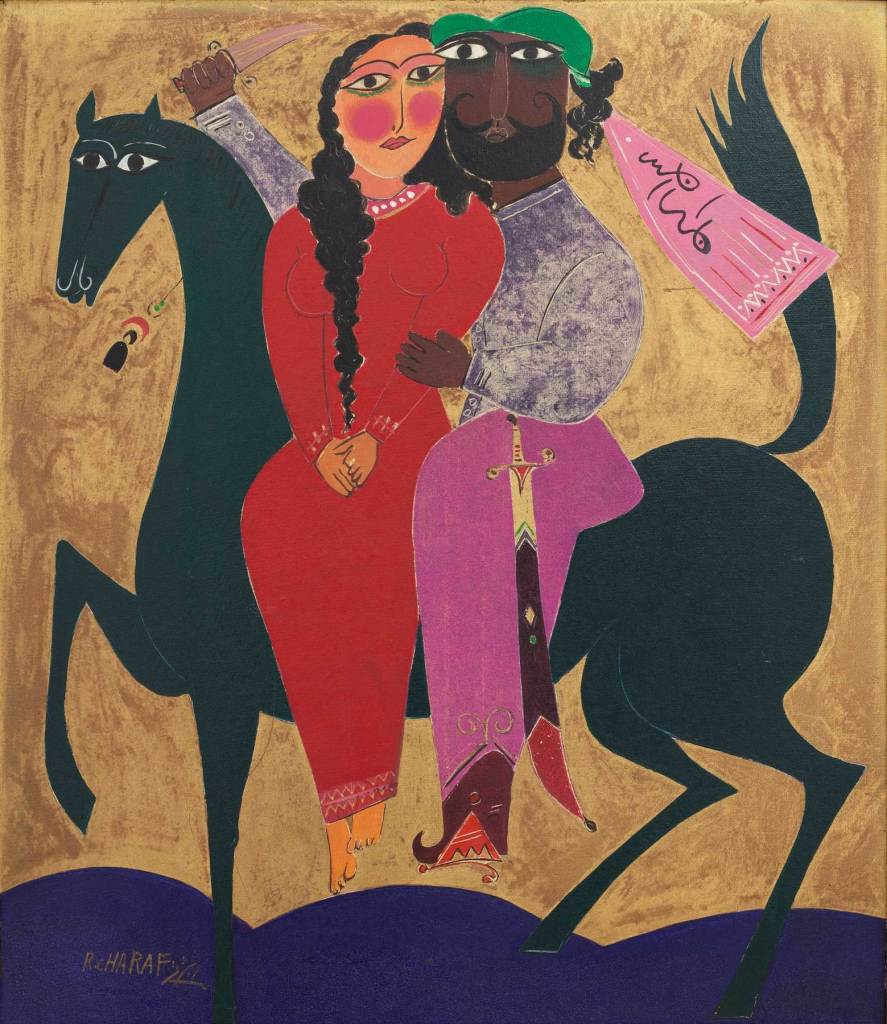
There is no singular account of their love story, but ʿAblah appears in Antarah’s earliest poetry, suggesting his attachment to her took root in his youth, perhaps even before he secured his freedom. Tradition holds that they would meet in secret beneath Ḥaṣāt al-Naṣlah (حصاة النصلة), a striking rock formation that served as a landmark in their time, now a tourist attraction. When Antarah sought her hand, her family—particularly her father Mālik—refused him on account of his birth and complexion, and in several widely transmitted accounts imposed an impossible dowry: a vast number of rare red Lakhmid camels associated with the court of King al-Nuʿmān. Armed with a famed black stallion, al-Abjar, and a black sword forged from meteor known as “al-ʿAṭshān” (“Thirsty”), Antarah set out on a perilous expedition into hostile, politically protected territory. He fought, seized, and in some accounts was even brought before al-Nuʿmān himself—only to be spared after reciting his poetry and expressing his love for Ablah to the king, who recalled his youth. Yet even after securing what was demanded, he returns to find ʿAblah promised to another, with the bitter addition that her new suitor’s dowry was none other than Antarah’s own head.
This is only one version. Later romantic narratives grant him a resolution, allowing him to marry ʿAblah after proving himself beyond doubt. Earlier, more restrained, and dare I say, more accurate accounts leave the story unresolved—much closer to the tone of his poetry, where he strives endlessly toward her without ever fully attaining her. Everything that stands between the two belongs to a world that yields to force. Antarah takes what he cannot inherit, and proves what cannot be granted to him. And so his story, and the love story therein, fold back into violence. Violence as both a means to an end, and a response to the world around him.
VIOLENCE and virtue
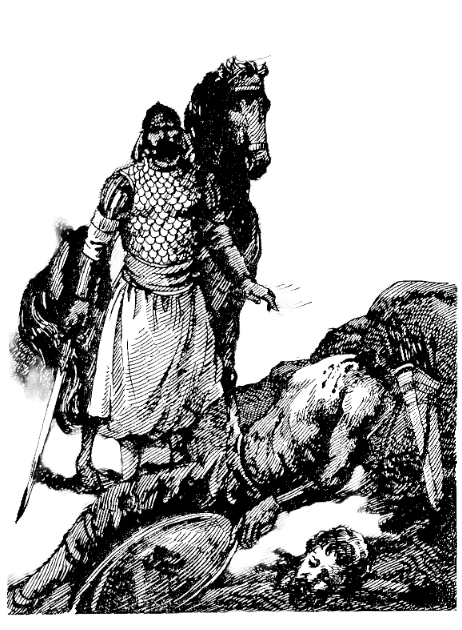
During the War of Dahis and al-Ghabra, the Banu ʿAbs were eventually expelled from their ancestral lands, and a young Antarah found himself displaced, fighting a losing battle for the honour of his tribe. In this exile Antarah’s spirit and capabilities as a warrior were tested and found true. In one encounter, after his horse failed to wheel back from a charge, he found himself stranded behind enemy lines. Husayn ibn Damdam, a Ghatafani fighter, seized the moment and struck him in the face with his spear, believing he had taken the eye of the famed Antarah.
He would proclaim this victory in a poem following the event, starting a blood feud between the two. Husayn boasted how his spear had left a mark on the slaves face for all to see, and how his men had forced the black scum to turn and run in fear. To make matters worse, Husayn’s kinsmen had killed Antarah’s uncle in the same clash.
Antarah answered first in poetry, dismissing the boast and reframing the scar as a sign of honour rather than shame. But his final response came in action. He killed Husayn’s father and sealed the feud, immortalising the act in the closing lines of his Muʿallaqa:
| And verily I feared that I should die | وَلَقَد خَشيتُ بِأَن أَموتَ وَلَم تَدُر |
| before Damdam’s sons got their taste of war | لِلحَربِ دائِرَةٌ عَلى اِبنَي ضَمضَمِ |
| Unprovoked they attacked my reputation | الشاتِمَي عِرضي وَلَم أَشتِمهُم |
| Threatening my blood though I do not find them on the battlefield | وَالناذِرَينِ إِذا لَم اَلقَهُما دَمي |
| There is no wonder they do so | إِن يَفعَلا فَلَقَد تَرَكتُ أَباهُم |
| For I left their father slumped, carrion for hyenas and vultures! | جَزَرَ السِباعِ وَكُلِّ نَسرٍ قَشعَمِ |
Violence was Antarah’s path to legitimacy and went hand in hand with virtue in these violent times. Honour, courage, and loyalty define man beyond lineage, but these qualities do not exist in abstract. They are tested, displayed, and validated in combat. His sword becomes a passport, granting him entry into a society that would otherwise deny him on account of his birth. To defend his own honour, to uphold the reputation of Banu Abs, to secure wealth and standing for his clan: Antarah utilises sanctioned violence, converting it into legitimacy in an arena where his worth cannot be contested. This dynamic is exemplified by the following poem.
| English | Arabic |
| If I do not quench my sword with the blood of enemies, | إِذا لَم أُرَوّي صارِمي مِن دَمِ العِدا |
| and it does not drip from its sharp edge, | وَيُصبِحُ مِن إِفرِندِهِ الدَمُ يَقطُرُ |
| then may my eyes never be cooled by sleep, | فَلا كُحِلَت أَجفانُ عَينَيَّ بِالكَرى |
| nor may a vision of ʿAblah come to me. | وَلا جاءَني مِن طَيفِ عَبلَةَ مُخبِرُ |
| When the West sees me, it humbles itself before my awe, | إِذا ما رَآني الغَربُ ذَلَّ لِهَيبَتي |
| and the reach of the East falls short of me. | وَما زالَ باعُ الشَرقِ عَنِّيَ يُقصَرُ |
| I am Death itself— | أَنا المَوتُ |
| except that I am not patient with heroes, | إِلّا أَنَّني غَيرُ صابِرٍ عَلى أَنفُسِ الأَبطالِ |
| while Death itself is patient. | وَالمَوتُ يَصبُرُ |
| I am the lion who protects those who seek refuge in me, | أَنا الأَسَدُ الحامي حِمى مَن يَلوذُ بي |
| and my deeds are remembered through time. | وَفِعلي لَهُ وَصفٌ إِلى الدَهرِ يُذكَرُ |
| When I encounter Death, I strike its head | إِذا ما لَقيتُ المَوتَ عَمَّمتُ رَأسَهُ |
| with a gleaming sword eager to drink blood. | بِسَيفٍ عَلى شُربِ الدِما يَتَجَوهَرُ |
| My blackness is whiteness when my qualities appear, | سَوادي بَياضٌ حينَ تَبدو شَمائِلي |
| and my deeds outshine lineage. | وَفِعلي عَلى الأَنسابِ يَزهو وَيَفخَرُ |
| Let my neighbor live in honor, | أَلا فَليَعِش جاري عَزيزاً |
| while my enemy turns away humbled, regretful, and lamenting. | وَيَنثَني عَدُوّي ذَليلاً نادِماً يَتَحَسَّرُ |
| I defeated Tamīm, | هَزَمتُ تَميماً |
| then struck down their champion, | ثُمَّ جَندَلتُ كَبشَهُم |
| and returned with my sword reddened by their blood. | وَعُدتُ وَسَيفي مِن دَمِ القَومِ أَحمَرُ |
| O Banū ʿAbs, take pride among the tribes and boast | بَني عَبسَ سودوا في القَبائِلَ وَاِفخَروا |
| of a “slave” who has a pulpit above the two stars. | بِعَبدٍ لَهُ فَوقَ السَماكَينِ مِنبَرُ |
| When the caller of the tribe calls, I answer him, | إِذا ما مُنادي الحَيِّ نادى أَجَبتُهُ |
| while the horses of death stumble over skulls. | وَخَيلُ المَنايا بِالجَماجِمِ تَعثُرُ |
| Ask the fine Indian blade in my hand— | سَلِ المَشرَفيَّ الهِندَوانيَّ في يَدي |
| it will tell you that I am Antarah. | يُخَبِّركَ عَنّي أَنَّني أَنا عَنتَرُ |
Antarah does not allow himself rest, nor the solace of love, until his sword has been quenched with the blood of his enemies, denying himself any comfort until he has fulfilled his martial responsibilities. Honour is earned continuously in his world, blade in hand, and there is no inheritance that will save his enemies from meeting his sword. The poem peaks in his self definition when he declares “ANA ALMOUT”- “I am Death itself”, shattering the distinction between man and the force that governs the battlefield, escalating his own legitimisation by embodying its most absolute form. It’s important to note that this level of violence does not equate to sadism, and remains framed by virtue and morals throughout all of his poetry. He is the “lion who protects those who seek refuge in him” and ensures that “his neighbour lives in peace while his enemy is humbled”. Jumping ahead Antarah turns outward, calling on his tribe to take pride in him. The slave who rose so high his platform stands above the stars. When they call, he answers without hesitation. Again he calls on a witness, “ask the fine Indian blade in my hand”, his sword will testify to his actions in battle.Notably, he confronts the stigma of his blackness in this poem. “My blackness is whiteness when my qualities appear, and my deeds outshine lineage”.
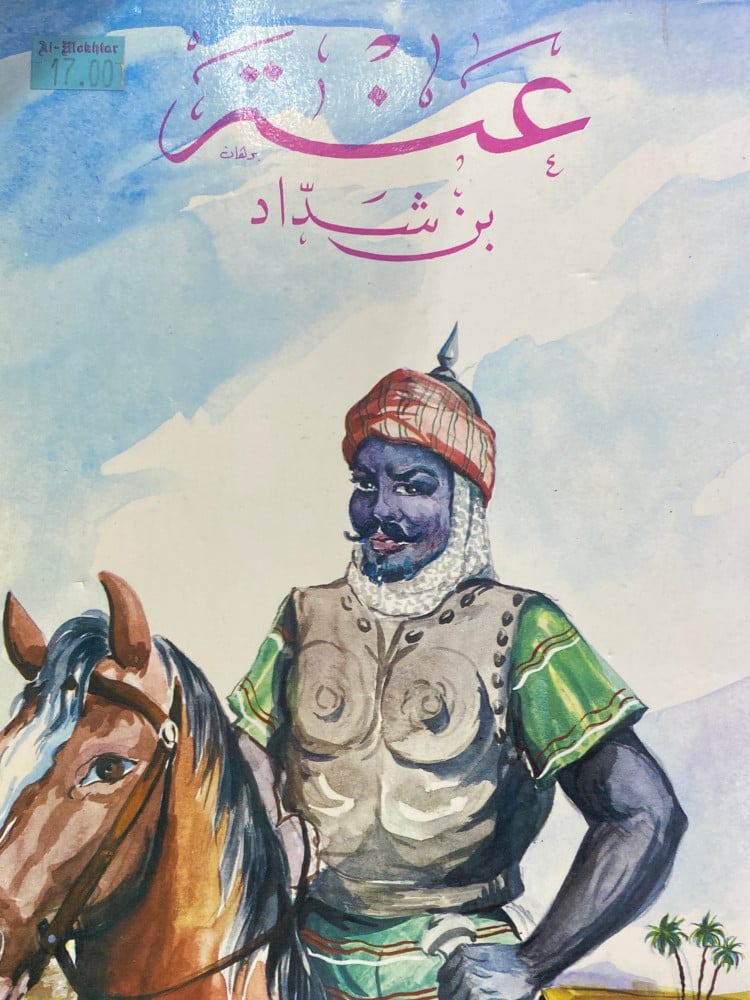
He does not deny his lineage, rather framing his deeds and victories as a force that nullifies the negative stigma it carries. This is an extremely important distinction and the appropriate time to make something clear. Where others attempted to fix his identity through inherited markers, he dissolved that framework by insisting that worth is established on the battlefield, in protection of his people, and in the endurance of hardship. In this sense, even when his language appears to engage in metaphorical oppositions of colour or status, it ultimately serves a single move: the rejection of inherited legitimacy in favour of enacted legitimacy, a rejection that he applies to both himself, and the world around him. This tension does not end in his own time. In modern reception he is often celebrated as a heroic figure within Arab cultural memory yet this recognition is complicated by the way his blackness is still frequently mediated through performance. Film and television portrayals where actors use blackface to embody him, a contradiction steeped in ignorance. Perhaps the real question is not who Antarah was, but who the true jahiliin are: those who claim to revere him, yet cannot bring themselves to let someone who truly represents him stand in for the man they say they honour.
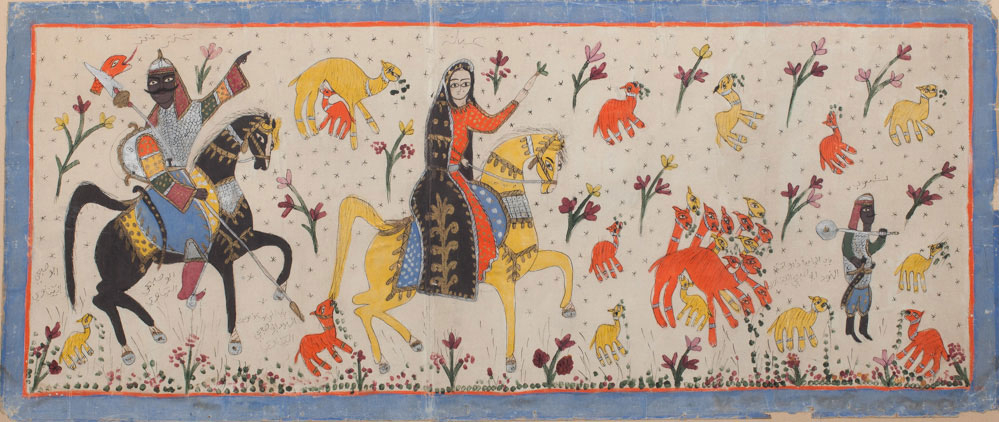
In any case, violence is the ground on which Antarah stands, the means through which he claims his place, and the proof he offers again and again to those who dare question it. This violence is not empty or sadistic in nature, it is directed, shaped, and given purpose through his fight for legitimacy, and ultimately, through his love for ‘Ablah. Every charge, every wound endured, every boast declaimed in the heat of battle circles back to her. His life unfolds along the same lines as his poetry: exclusion answered with defiance, rejection met with action, and longing carried through both. The campaigns he fought in, the duels he won, the impossible dowry, the near-mythical feats attributed to him, all of it gathers around a single axis. Antarah fought to be worthy, and in that pursuit, love, violence, and legitimacy collapse into one, each giving meaning to the other.
CONCLUSION
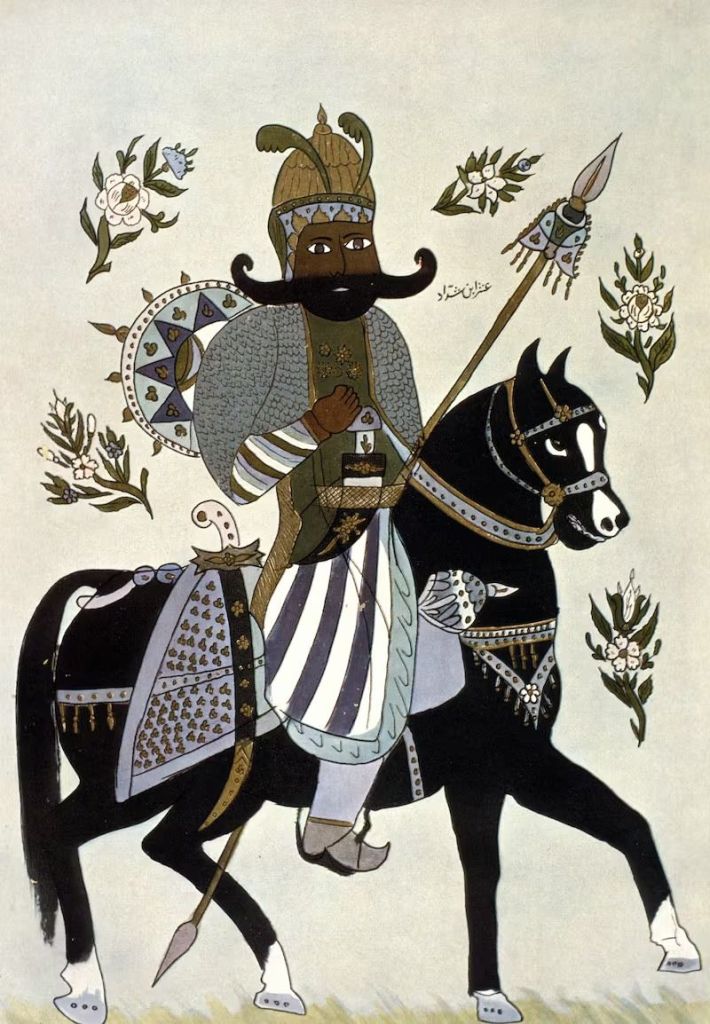
The end of Antarah ibn Shaddad is just as contested as his life, but the dominant account is stark and unheroic. After a lifetime of surviving the most brutal battles, Antarah is said to have died from a single, distant, cowardly strike. In his old age, during a later tribal conflict, he was hit by an arrow shot by a younger warrior, who, unable to face him directly, struck from afar. The man who declared “I am death”, finally subjected to it in an unremarkable fashion.
What remains is something difficult to contain, and I won’t make any attempts to box him in. Antarah’s life resisted resolution the same way his love did. He proved himself again and again, but the need to prove never disappeared. He reached towards ‘Ablah for most of his life, but never arrived at her. He claimed his place in the world and died continuously defending it. This tension is what sustains his story and fascinates us all long after his time.
His poetry preserves the structure of his struggle: a man who constructed his worth from scratch and faced opposition in every facet of his existence along the way. Violence became a language he spoke fluently, love an ever distant horizon, and identity something that is forged through action, rather than inherited. I hope that his story and poetry do what they have done for me; to strive, persist, and to build a path where one isn’t offered.
| English | العربية |
| I long for the cuts of swords that play | أَحِنُّ إِلى ضَربِ السُيوفِ القَواضِبِ |
| I long for the stabs of spears that sway | وَأَصبو إِلى طَعنِ الرِماحِ اللَواعِبِ |
| I crave the cups of death to sip | وَأَشتاقُ كاساتِ المَنونِ إِذا صَفَت |
| As arrows shoot past my head and skip | وَدارَت عَلى رَأسي سِهامُ المَصائِبِ |
| Entranced, as horses stumble over the spears | وَيُطرِبُني وَالخَيلُ تَعثُرُ بِالقَنا |
| By crowds that call for death with cheers | حُداةُ المَنايا وَاِرتِعاجُ المَواكِبِ |
| By strikes in the shade of dust so large | وَضَربٌ وَطَعنٌ تَحتَ ظِلِّ عَجاجَةٍ |
| arising from the cavalry charge | كَجُنحِ الدُجى مِن وَقعِ أَيدي السَلاهِبِ |
| A shade in which heads fly beneath its darkness | تَطيرُ رُؤوسُ القَومِ تَحتَ ظَلامِها |
| and then like shooting stars they fall | وَتَنقَضُّ فيها كَالنُجومُ الثَواقِب |
| A shade in which our swords are lights | وَتَلمَعُ فيها البيضُ مِن كُلِّ جانِبٍ |
| like lightning bolts in darkest nights | كَلَمعِ بُروقٍ في ظَلامِ الغَياهِبِ |
| I promise and swear by your name and pride | لَعَمرُكَ إِنَّ المَجدَ وَالفَخرَ وَالعُلا |
| Respect is earned and so is fame | وَنَيلَ الأَماني وَاِرتِفاعَ المَراتِبِ |
| For he who fights the lords and knights | لِمَن يَلتَقي أَبطالَها وَسَراتَها |
| with a heart, that bears the cuts and bites | بِقَلبٍ صَبورٍ عِندَ وَقعِ المَضارِبِ |
| For he who builds with blade his worth | وَيَبني بِحَدِّ السَيفِ مَجداً مُشَيَّداً |
| Among the stars so high above Earth | عَلى فَلَكِ العَلياءِ فَوقَ الكَواكِبِ |
| Not he who quenches not his lance | وَمَن لَم يُرَوِّ رُمحَهُ مِن دَمِ العِدا |
| with enemy blood when weapons dance | إِذا اِشتَبَكَت سُمرُ القَنا بِالقَواضِبِ |
| and gives not his spear its rightful share | وَيُعطي القَنا الخَطِّيَّ في الحَربِ حَقَّهُ |
| and lets not his blade carve shoulders bare | وَيَبري بِحَدِّ السَيفِ عُرضَ المَناكِبِ |
| He leads a feeble life of dread | يَعيشُ كَما عاشَ الذَليلُ بِغُصَّةٍ |
| and when he dies, no tears are shed | وَإِن ماتَ لا يُجري دُموعَ النَوادِبِ |
| Such virtues of vigor, not sold to the meek | فَضائِلُ عَزمٍ لا تُباعُ لِضارِعٍ |
| Such secrets of resolve, not told to the weak | وَأَسرارُ حَزمٍ لا تُذاعُ لِعائِبِ |
| With those I’ve endured years of toil | بَرَزتُ بِها دَهراً عَلى كُلِّ حادِثٍ |
| My only perfume was battle soil | وَلا كُحلَ إِلّا مِن غُبارِ الكَتائِبِ |
| If lightning may lie to the seeker of rain | إِذا كَذَبَ البَرقُ اللَموعُ لِشائِمٍ |
| My sword’s bright flash tells truth so plain | فَبَرقُ حُسامي صادِقٌ غَيرُ كاذِبِ |